
The way residents use the internet is changing faster than ever.
Artificial intelligence, streaming entertainment, smart home technology, telehealth, electric vehicles, remote work, online education, and connected devices are becoming increasingly integrated into everyday life. At the same time, residents are coming to expect connectivity that is fast, reliable, and available throughout their homes.
For community associations, these changes raise an important question: Is the infrastructure serving your community today prepared to support how residents will live tomorrow?
Technology planning is no longer simply an IT conversation. It is increasingly part of long-term community planning, capital investment, and the overall resident experience.
Planning ahead can help communities prepare for increasing digital demands rather than continually reacting to them.
Key Considerations for HOA & COA Boards
Digital lifestyles are driving increasing bandwidth demand.
Today’s households can have dozens of connected devices operating simultaneously—from televisions and streaming services to computers, smartphones, gaming systems, security devices, and smart home technology.
It’s not simply the number of devices that matters. It’s how many are active at the same time and what they’re doing.
Video conferencing, 4K streaming, cloud applications, gaming, connected security systems, and other high-bandwidth activities can all compete for capacity within a home.
As technology adoption continues to grow, communities should consider whether their underlying communications infrastructure has the capacity and scalability to support those demands.
Artificial intelligence is changing how residents use the internet.
Artificial intelligence is quickly becoming part of everyday life.
Residents are using AI-powered tools for work, education, research, content creation, personal productivity, and other applications. Many AI services rely on cloud computing and the continuous exchange of data between a user’s device and remote systems.
As AI becomes more integrated into applications and devices, dependable, high-capacity connectivity will become increasingly important.
For community associations, the broader consideration is not predicting which AI applications will become dominant. It’s ensuring the infrastructure is flexible enough to accommodate technologies that haven’t even become commonplace yet.
Smart homes continue to become smarter.
Connected homes are becoming increasingly sophisticated.
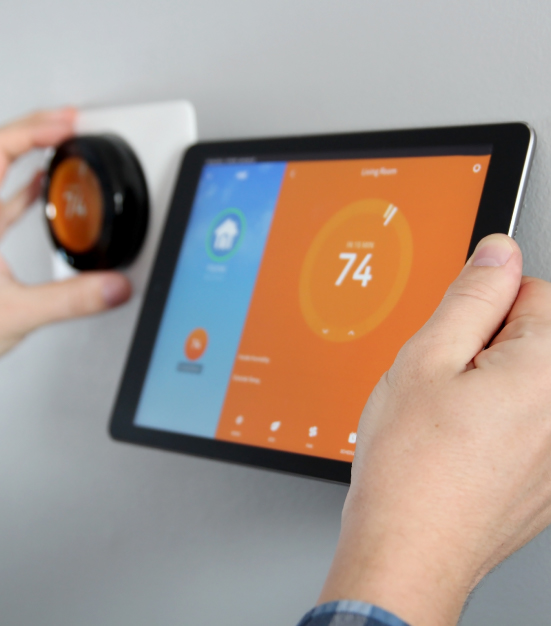
Security systems, video doorbells, smart thermostats, lighting, appliances, voice assistants, leak detection, energy management systems, and other connected devices all depend on reliable connectivity.
As more residents incorporate these technologies into their homes, the network becomes an increasingly important part of the home’s functionality.
Communities planning for the future should consider whether their connectivity infrastructure can support an environment where more devices—and more critical functions—depend on being connected.
Healthcare is becoming more connected.
Telehealth appointments, remote patient monitoring, wearable devices, and digital wellness applications are changing how many people interact with healthcare.
Reliable connectivity can help residents participate in virtual appointments, access digital health services, and use connected devices from home.
For communities, this is another example of how connectivity has evolved beyond entertainment and convenience. Reliable internet can increasingly support important aspects of everyday life.
Electric vehicles are becoming part of community planning.
As electric vehicle adoption grows, communities are evaluating charging infrastructure alongside other property and technology investments.
Connected charging systems can rely on communications networks for functions such as payment processing, monitoring, scheduling, and energy management.
For communities considering EV charging infrastructure or other smart-community initiatives, connectivity may become an increasingly important part of the planning conversation.
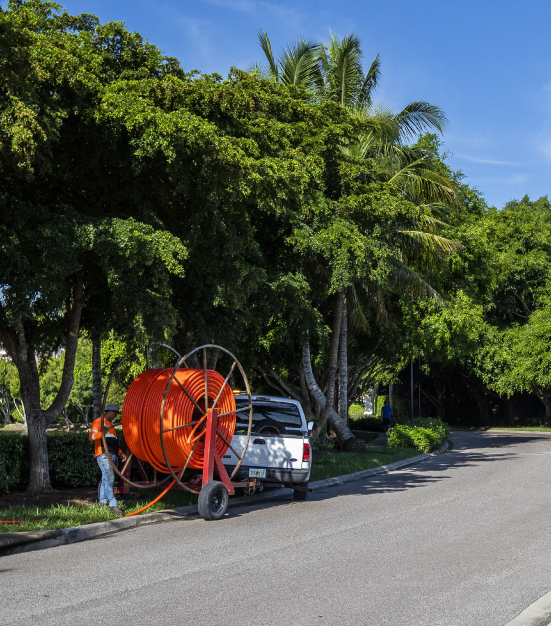
Fiber infrastructure is designed for long-term growth.
As bandwidth demands increase, the underlying infrastructure supporting a community’s connectivity becomes increasingly important.
Fiber-optic networks offer significant capacity, scalability, and performance, making fiber an important consideration for communities planning for long-term connectivity needs.
The broader question for Boards isn’t simply whether a network can meet today’s requirements. Can the infrastructure continue to scale as technology, applications, and resident expectations evolve?
Choosing infrastructure with long-term capacity can help communities reduce the need for repeated major upgrades and better position the property for future connectivity demands.
Did You Know?
It’s Not Just About How Many Devices You Have
The number of connected devices in a home is only part of the story.
A household may have smartphones, computers, televisions, smart speakers, security cameras, thermostats, appliances, gaming systems, and other connected devices—but they don’t all consume the same amount of bandwidth, and they aren’t necessarily active at the same time.
The more important consideration is simultaneous activity.
Multiple residents working remotely, streaming, gaming, participating in video calls, using cloud applications, and operating smart-home systems at the same time can create substantially different connectivity demands than simply counting the number of devices in the home.
For community associations, that distinction matters when thinking about the capacity and scalability of the infrastructure serving residents.
Board Planning Insight
Technology planning is no longer just an IT discussion—it’s part of long-term community planning.
When evaluating communications infrastructure, Boards should consider not only what residents need today, but how the network will support evolving technologies, increasing bandwidth demands, and the expectations of future homeowners.
The goal isn’t to predict exactly what technology will look like ten or twenty years from now.
It’s to invest in infrastructure that gives the community the flexibility to adapt as technology changes.
Planning for the Future
As technology continues to evolve, consider these questions when developing your community’s long-term connectivity strategy:
- Will our community’s communications infrastructure support residents’ needs five, ten, or even twenty years from now?
- How might emerging technologies—such as AI, smart homes, telehealth, and connected devices—affect future bandwidth demands?
- Is our current infrastructure designed to scale as technology and resident expectations continue to evolve?
- Are we planning for tomorrow’s digital needs, or simply addressing today’s requirements?
- Should communications infrastructure be included as part of our community’s long-term capital and infrastructure planning?
- What level of flexibility will our community need as new technologies become part of everyday life?
- How can our Board ensure today’s infrastructure decisions continue delivering value well into the future?
Planning Tip
Technology will continue to evolve, but thoughtful infrastructure planning can help communities adapt with confidence.
Considering future connectivity needs today may help communities avoid unnecessary upgrades, reduce disruption, and maintain the connected lifestyle residents increasingly expect.
The most effective long-term strategy isn’t necessarily knowing exactly what technology comes next. It’s making sure your community’s infrastructure is ready for it.
The Bottom Line
Connectivity is becoming part of the foundation of modern community living.
As residents rely on their internet connections for work, education, healthcare, entertainment, security, smart-home technology, and emerging applications, the infrastructure supporting that connectivity becomes increasingly important.
For HOA and condominium Boards, planning ahead can help turn connectivity from a recurring technology decision into a thoughtful component of the community’s long-term infrastructure strategy.
Today’s infrastructure investment should be evaluated not only by what it can deliver today, but by how well it can support the community’s future.
Explore More Community Connections
Insights to help Florida community associations make informed connectivity and infrastructure decisions.
Infrastructure Matters: Planning Long-Term Connectivity Investments
Understanding the Value of Bulk Internet Agreements for HOA & COA Communities